Before traveling to neighboring provinces, it is important to conduct a comprehensive vehicle inspection, especially considering the heat, humidity, and varied road conditions. Key areas include checking the brakes, tires, fluids, air conditioning, and electrical systems. Keep in mind that regulations and requirements in Thailand may change, so it's best to verify current information with the Department of Land Transport or your insurance provider.
Brake System Check
Brakes are one of the most critical systems during long-distance travel. On Phuket and in neighboring regions, roads are often crowded, and weather conditions can reduce traction. Check the condition of brake pads, discs, brake hoses, and brake fluid levels. Replace pads if they are worn, or if there are cracks on the discs. Also ensure the system is properly bled and free of air, especially if the vehicle has been used in high humidity conditions.
When inspecting, pay attention to vibration during braking - this may indicate warped discs. If you hear squealing or clicking sounds, do not delay repairs.
Tire and Wheel Condition
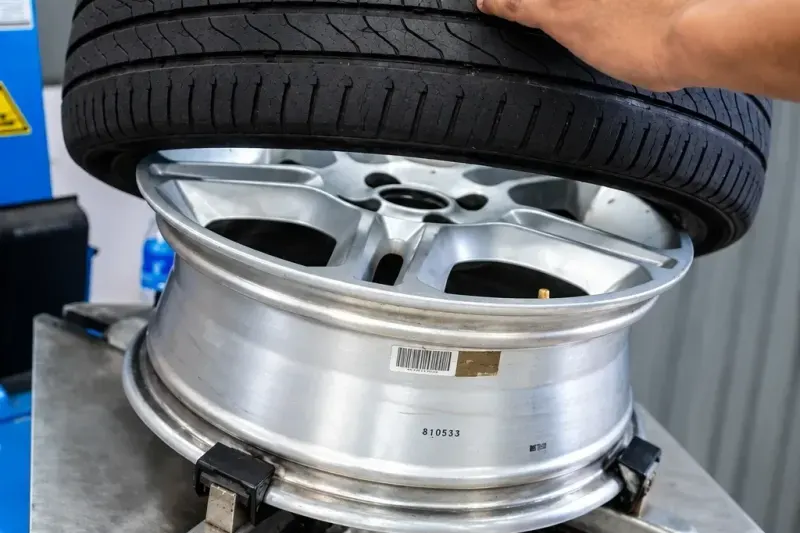
Tires are fundamental to road safety. Before your trip, check tire pressure, tread condition, and look for any damage. High temperatures and humidity can cause tires to wear out faster, especially if the vehicle is used in urban areas. It is recommended to check pressure every 1-2 weeks, particularly if you plan to travel in hilly areas or on high-speed paved roads.
Checklist: - Tire pressure (in accordance with manufacturer recommendations) - Tread condition (at least 1.6 mm) - Presence of cuts, punctures, or bulges - Condition of sidewalls and rims - Wheel balancing and alignment - Presence of spare tire and repair kit
Fluids and Filters
Checking all fluids is a mandatory step before any long journey. Ensure that engine oil, coolant, brake fluid, washer fluid, and transmission fluid levels are within normal ranges. In hot and humid conditions, fluids may evaporate or degrade faster, especially if the vehicle is not used regularly. Replace filters if they have not been changed during the last service.
Recommended fluids and checks: - Engine oil (fresh, according to schedule) - Coolant (within normal range, free of contamination) - Brake fluid (not wet, not dark) - Washer fluid (clean, free of sediment) - Transmission and differential oil (replace if necessary) - Cabin air filter (clean, free of contamination)
Air Conditioning and Climate Control System
In Thailand, air conditioning is not a luxury but a necessity. Before your trip, ensure the cooling system operates at full capacity. Check the system pressure, compressor condition, fan operation, and look for leaks. In high temperature and humidity conditions, the air conditioning system may become overloaded, especially if it has not been serviced. It is recommended to recharge the system by weight, replace the desiccant, and clean the evaporator.
Signs of malfunction: - Insufficient cooling - Unpleasant smell when turned on - Condensation on windows - Noises from the compressor - Low system pressure
Electrical System and Battery
The electrical system is one of the most vulnerable during long trips. Check the condition of the battery, alternator, and starter. In hot conditions, batteries can quickly lose charge, especially if the vehicle is used infrequently. Also inspect all lights, including headlights, brake lights, and turn signals. Ensure connectors and wiring are not corroded, especially in areas exposed to moisture.
Recommended checks: - Battery voltage (not below 12.4 V, depending on model) - Alternator operation (voltage when engine is running) - Inspection of all bulbs and lighting devices - Check connectors and wiring for corrosion - Inspection of relays, fuses, and control modules
When to Visit a Service Center
If you notice any of the above-mentioned signs of malfunction, do not delay your trip. It is better to perform diagnostics and repairs in advance. Full diagnostics include checking all systems, including electrical and mechanical ones. Technicians will explain the results, coordinate repair times, and use original or approved parts as chosen by the customer.
Learn more about the service: Carvia Garage services