If your car sways while driving, handles poorly, or you hear unusual noises, this may be a sign of worn shock absorbers. In Phuket, where roads are often damaged and the climate is humid, the condition of shock absorbers is especially critical. Below are the main signs that indicate it's time to replace your shock absorbers.
Swaying While Driving
One of the first signs of worn shock absorbers is excessive swaying of the vehicle when driving over bumps or after passing a pothole. If the car continues to sway after hitting a curb or a dip, this indicates a loss of damping ability.
Shock absorbers mainly work when driving over uneven surfaces. When they are worn, the suspension cannot quickly dampen vibrations, and the body continues to sway. This reduces comfort, increases stress on other suspension components, and can lead to reduced road grip.
Reduced Handling
Poor handling is another clear sign of shock absorber failure. During turns or sudden braking, the car may lean, lose stability, or "bounce".
In Phuket, where roads are often in poor condition and rain is frequent, reduced handling can lead to the risk of skidding or loss of control. Shock absorbers play a key role in keeping the wheels in contact with the road surface, especially during sudden maneuvers. Their wear reduces stability and safety while driving.
Oil Leakage
If you notice dark spots or oil stains under the shock absorber, this indicates a leak. Shock absorbers contain hydraulic fluid, which can leak when seals are damaged or worn. Oil leakage is a clear sign that the shock absorber is no longer functioning properly.
In Phuket, where high humidity and sea salt accelerate corrosion, shock absorber seals may wear out faster. This is especially true for vehicles that frequently travel along the coastal road or on roads with salted surfaces. Oil leakage reduces damping efficiency and can lead to complete failure.
Unusual Noises
While driving over uneven roads, you hear knocking, scraping, or clicking sounds - this may be a sign of worn shock absorbers. These noises occur due to damaged seals, deformed housing, or internal component wear.
Also pay attention to noises during braking or turning. If a knocking sound is heard during braking, it may be related to worn shock absorbers, especially if they are unable to handle the load. In such cases, it is important not to delay inspection, as the problem may quickly escalate into a more serious malfunction.
Uneven Tire Wear
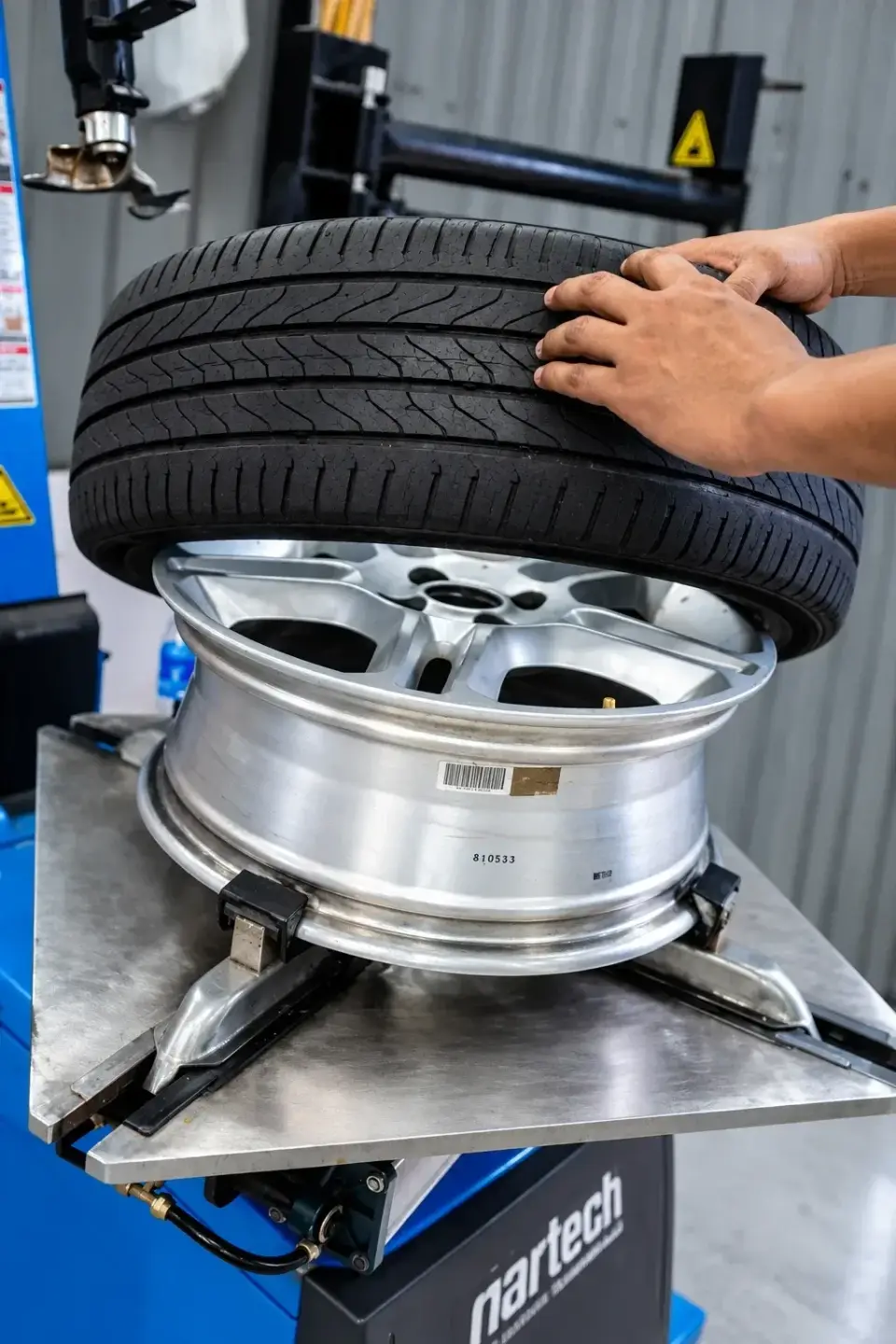
If you notice that tires are wearing unevenly - for example, on the edges or in the center - this may be related to faulty shock absorbers. When they are worn, the wheels lose consistent contact with the road, leading to uneven tread wear.
In Phuket, where you often have to drive on uneven and damaged road sections, tire wear can happen faster. If you don't replace the shock absorbers in time, this may lead to replacing tires earlier than expected. Regular suspension checks help avoid additional expenses.
Practical Tips for Phuket Conditions
In Phuket, where the climate is humid and roads are often damaged, shock absorbers are under additional stress. It is recommended to perform a visual inspection of the suspension at least every six months, especially before the rainy season. Check for oil leaks, cracks on the housing, and seal damage.
It is also important to note that short trips, frequent stops, and high ambient temperatures accelerate wear. In traffic and urban conditions, shock absorbers work under increased load. Regular maintenance and diagnostics help detect problems at an early stage.
When to Visit a Service
If you notice any of the symptoms listed - swaying, reduced handling, oil leakage, or unusual noises - it is time for immediate inspection. Even if the car drives normally but feels unstable, it is better not to delay diagnosis. In Phuket, where road safety is especially important, timely replacement of shock absorbers reduces the risk of accidents.
Learn more about the service: Carvia Garage services