Before buying a used car in Phuket, it's important to conduct a comprehensive inspection. This helps avoid purchasing a vehicle with hidden defects that could turn into costly repairs. The inspection includes visual checks, diagnostics, and assessment of key systems.
External Inspection: Body and Mounting Components
Start with a visual inspection of the body. Check for signs of repair, rust, especially in areas where moisture accumulates - under the sills, in door frames, and around the wheel arch. In humid and salty marine conditions, these areas are quickly prone to corrosion. Inspect the welds, especially on bumpers and doors - they may indicate an accident even if the car appears intact.
Check the condition of fasteners. Ensure that bolts on the suspension, engine mounts, and body are not loose. Loose fasteners can lead to vibration, reduced handling, and component damage. Also inspect the rubber seals on doors, hood, and trunk - they should be intact and not cracked.
Pay attention to the condition of the paint. The paint should be even, without dark spots, cracks, or peeling. Damage to the paint finish may indicate previous repair or damage.
Interior: Condition and Functionality
Inspect the interior for signs of wear. Check for any musty smell, which may indicate leaks or condensation. In a humid climate, this is especially important - moisture can damage electronics and degrade upholstery.
Test all electrical components: power windows, mirrors, door handles, heated seats, air conditioning, and audio system. Make sure all buttons and switches work properly. Check for any unusual noises when the fan or air conditioning compressor is running.
Inspect the seats, cushions, steering wheel, and control panel. Check for signs of mechanical damage, cracks, or wear. Test the seat belt - ensure it retracts and locks without sticking.
Engine and Cooling Systems
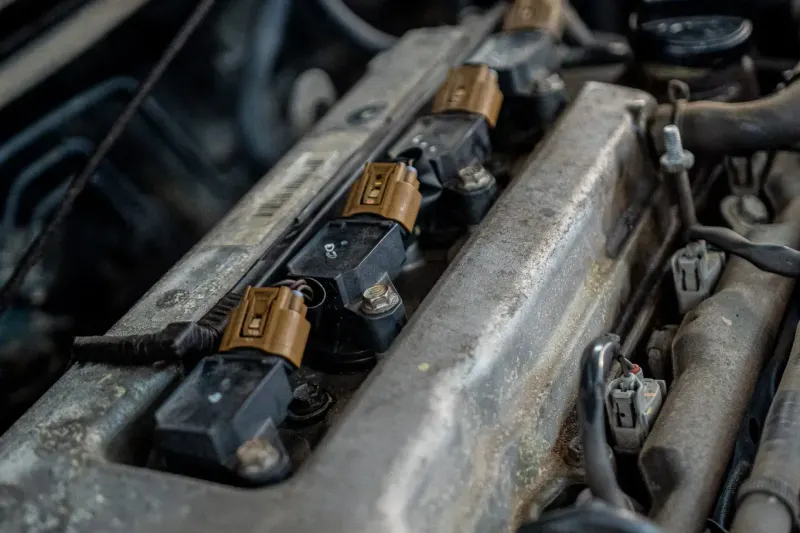
Check the condition of the engine. Open the hood and inspect the engine and its components. Ensure there are no signs of oil or coolant leaks. In hot and humid conditions, leaks can be particularly dangerous - they may lead to overheating or electronic damage.
Check the oil level and condition. The oil should be clean, free of contaminants. Also check the coolant and brake fluid levels. Low levels may indicate a leak or poor maintenance.
Inspect belts and hoses. Check the condition of the timing belt if visible. Also inspect the cooling system hoses - they should be intact, without cracks or tears. Ensure all clamps are tightened and show no signs of corrosion.
Suspension and Brakes
Check the condition of the suspension. Inspect shock absorbers, springs, control arms, bushings, and struts. Ensure there are no cracks, damage, or oil leaks. Check for play in suspension components - this can lead to reduced handling.
Inspect the braking system. Examine the brake discs and pads. Ensure the discs do not have deep scratches or grooves. Check for any signs of oil on the discs - this may indicate a leak from the caliper. Also inspect the brake hoses - they should be intact and free of cracks.
Check the condition of the tires. Ensure the tires have sufficient tread and are not damaged. Check the tire pressure - it should be within the recommended range. Check for uneven wear, which may indicate alignment or suspension problems.
Electrical Systems and Electronics
Test all electrical systems. Ensure all headlights, brake lights, turn signals, and fog lights are working. Check for any malfunctions in the control system - for example, check if the dashboard indicators are lit and if there are any error codes.
Test the starter and alternator. Ensure the car starts easily. Check for any unusual noises during engine start-up. Verify that the alternator is charging the battery. Also check the battery condition - it should be in good condition, without signs of corrosion.
Test the air conditioning system. Ensure cold air is coming out of the vents. Check for any unusual noises when the compressor is running. Check for any burning smell or the smell of burnt rubber - this may indicate electrical problems.
When to Go to a Service: Diagnostics as a Necessary Step
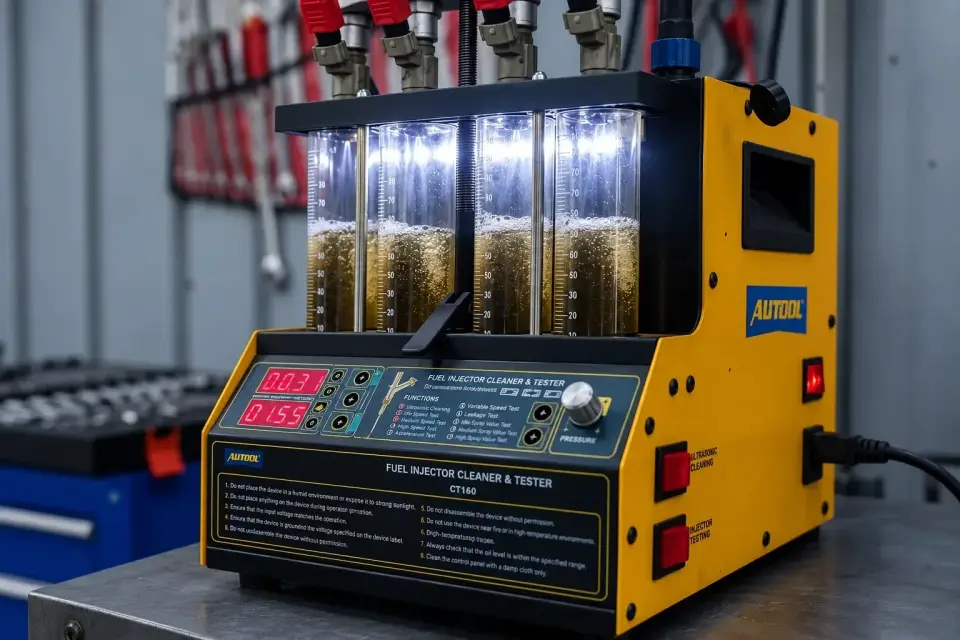
Even with a thorough self-inspection, hidden defects may remain. In such cases, it's best to consult a service center. Diagnostics can reveal problems that are not visible to the naked eye. For example, issues with the control system, electronic errors, or fuel system problems.
Diagnostics include computer and mechanical checks. Technicians analyze live data from all control modules - engine, transmission, ABS, suspension, climate control. They check sensors, wiring, belt condition, and fluid levels. Diagnostics are conducted in the presence of the customer, and the technician explains the results. If you plan to buy a used car, it is recommended to perform diagnostics before purchase. This helps avoid unpleasant surprises and saves money on future repairs.
Learn more about the service: Carvia Garage services