Before the rainy season begins in Phuket, it's important to conduct a comprehensive vehicle inspection. In conditions of high humidity, frequent rain, and sea salt, even minor malfunctions can quickly worsen. Key tasks include ensuring brake reliability, stable handling, safe lighting, and body sealing. Pay attention to tire condition, seals, lighting systems, and electrical components, and perform scheduled maintenance. This article provides a practical checklist and recommendations for preparing your car for the rainy period.
Check the Lighting System
Poor lighting or faulty bulbs are especially dangerous in rainy conditions and reduced visibility. Check all external and internal lights: headlights, fog lights, brake lights, turn signals, license plate lights, and interior lighting. Ensure that the bulbs work properly and the optics are clean and undamaged. In Phuket, fog and rain are common, especially in the morning and evening, so proper lighting is critical.
Check also the operation of brake lights and turn signals. Malfunctioning bulbs can lead to accidents, especially on busy roads. Make sure the bulbs do not flicker or turn off when activated. Replace bulbs if necessary, using types specified in the owner's manual. Also check that headlights do not fog up - this may indicate air leaks in the headlights, requiring repair.
Check the Braking System
Brakes are one of the most critical safety systems, especially in rainy weather. Check the condition of brake pads, discs, and hoses. Replace components if the pads are below the minimum threshold (usually 3-4 mm) or if there are cracks on the discs. Ensure that the brake fluid level is normal and free of impurities. It is recommended to replace brake fluid according to the manufacturer's schedule, as it absorbs moisture, reducing braking efficiency.
Also check the condition of the brake hoses - they should not be cracked, split, or show signs of leakage. Check for any seepage at the connection points. If there is a leak or a reduction in braking effectiveness, contact a service center. In humid and rainy conditions, even a small leak can lead to a loss of system pressure.
Check Tires and Wheel Maintenance
Tire condition is one of the main safety factors during the rainy season. Check the tread depth. The minimum tread depth in Thailand is 1.6 mm, but for rainy conditions, a depth of at least 3 mm is recommended. Using tires with worn tread reduces grip on wet surfaces. Check tire pressure - it should match the manufacturer's recommendations. Underinflation increases the risk of punctures and overheating, while overinflation reduces comfort and handling.
Also check the sidewalls of the tires for cracks, cuts, and exposed cords. In conditions of sea salt and humidity, rubber ages faster. Ensure that the tires have no damage from sharp objects or stones. If necessary, perform wheel balancing and tire mounting. Make sure the wheels are securely fastened and the bolts are tightened to the correct torque. If punctures are found, contact a service center for repair or replacement.
Check Seals and Body Sealing
In conditions of high humidity and frequent rain, leaks through body seals are a common problem. Check the sealing of doors, hood, trunk, and windows. Ensure that the seals are not torn, have not come loose from the frame, and have not lost elasticity. If there are cracks or tears, replace the seals. Also check the drain holes in the doors, hood, and trunk - they can become clogged, leading to water accumulation inside the body.
Also check the condition of windshield wipers and washer fluid. Ensure that the wiper blades are not worn, do not slide on the glass, and do not leave streaks. Check the level of fluid in the washer reservoir and replace it if it is dirty. Ensure that the pump works and the spray nozzles are not clogged. Replace the wiper blades and fluid if necessary.
Check Electrical Systems and Air Conditioning
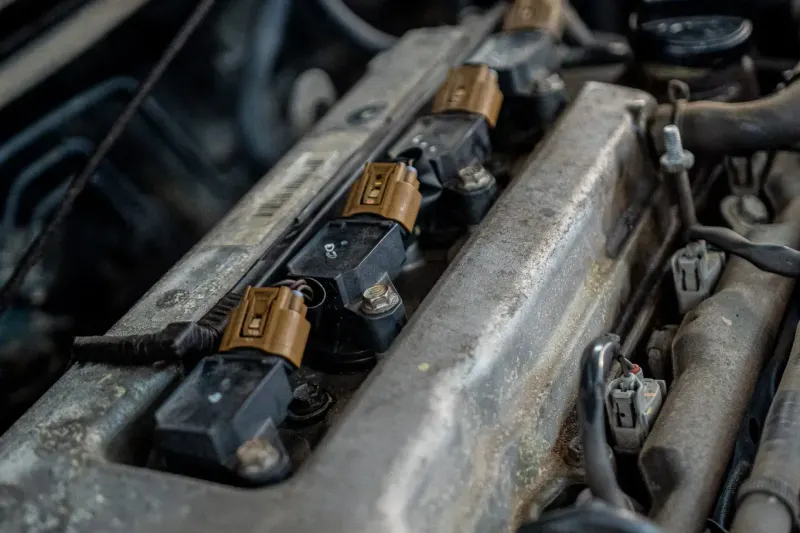
Humidity and frequent rain increase the risk of corrosion in electrical connections. Check the condition of all connectors, especially in the engine compartment and under the dashboard. Ensure there is no oxidation, corrosion, or damage to insulation. Clean or replace contacts if they are damaged. Also check the battery - in conditions of frequent short trips and rain, it can quickly discharge. Ensure it is charged and shows no signs of deterioration.
Check the operation of the air conditioning system. Humid climate promotes the growth of bacteria and odors in the system. Ensure that the air conditioner cools effectively and the air does not have an unpleasant smell. If necessary, perform antibacterial cleaning of the evaporator and replace the cabin air filter. This is especially important for comfort in hot and humid weather.
Scheduled Maintenance
Before the rainy season begins, it is recommended to perform scheduled maintenance. This includes replacing engine oil and all filters: oil, air, cabin, and fuel filters. Replacing oil and filters improves engine performance and extends its lifespan. Also check the level and condition of brake fluid, coolant, transmission fluid, and differential oil. Ensure all fluids are in good condition and at the correct level.
Check the condition of belts and hoses. Ensure that the timing belt does not have cracks, wear, or damage. If the belt is close to the replacement interval, it is recommended to replace it. Also check the condition of the cooling system hoses, fuel system hoses, and brake hoses. Ensure that all hoses are not cracked, have no tears, and do not leak. Replace damaged parts if necessary.
When to Visit a Service Center
If you notice any of the listed malfunctions, or if the car begins to behave unstably - for example, brakes pull to one side, tires are worn, lights do not work, or there are leaks - do not delay in contacting a service center. In Phuket, where roads are often wet and slippery, any malfunction can lead to an accident.
Learn more about the service: Carvia Garage services